
Standard ODM
Work from an existing base with fabric suggestions, fit adjustments, decoration and sample development.
JYTK APPAREL
Start from a base style or a collection direction, then develop the details with our team.
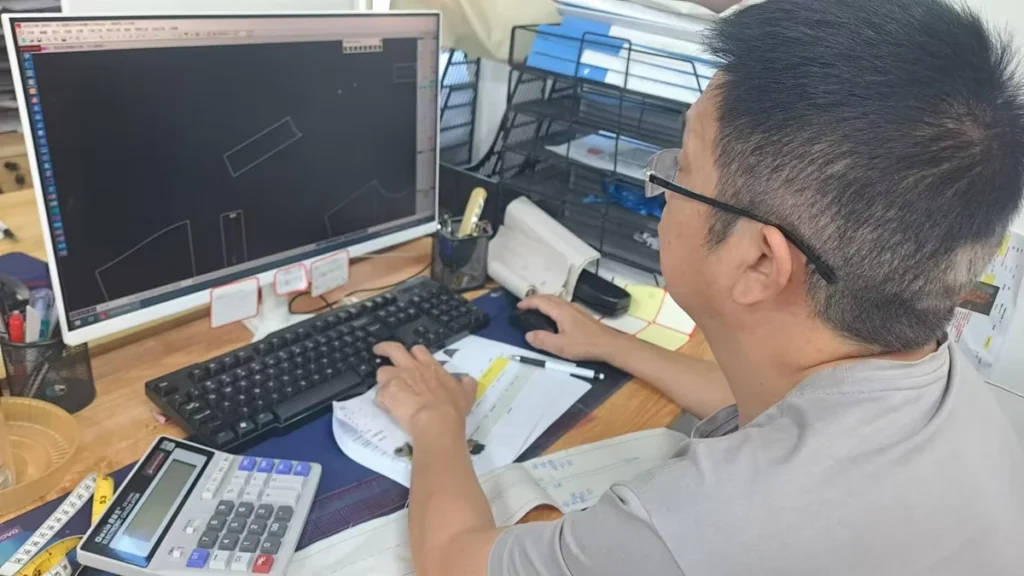
PATTERN DEVELOPMENT
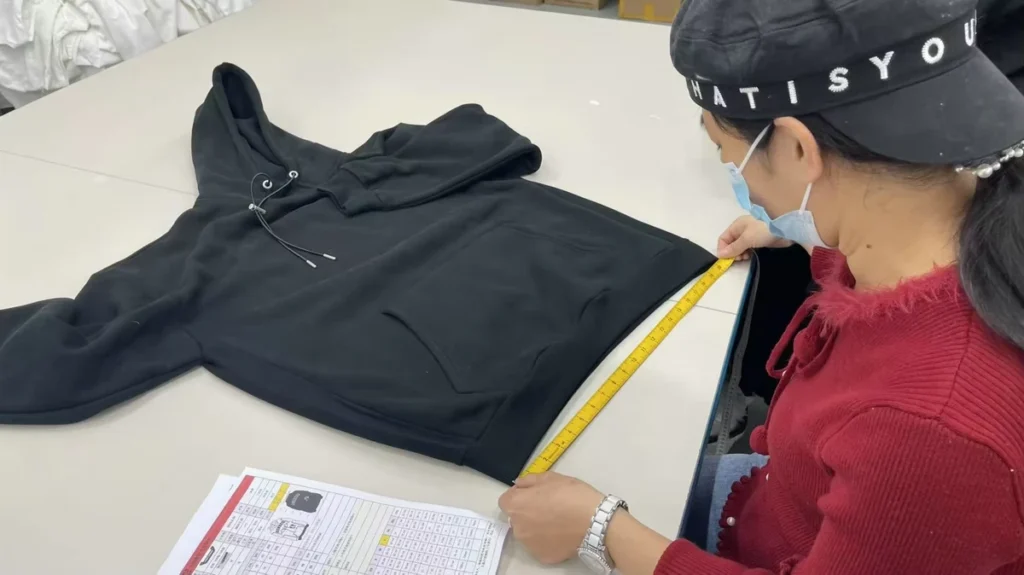
A look at pattern development as a starting point for sampling.
Work from an existing base with fabric suggestions, fit adjustments, decoration and sample development.
Original collections, complex artwork and multiple development rounds have separately agreed fees, timing and revision scope.
Tell us the target customer, market, product references, target price and planned quantities. Development moves through material, pattern, workmanship and sample decisions.
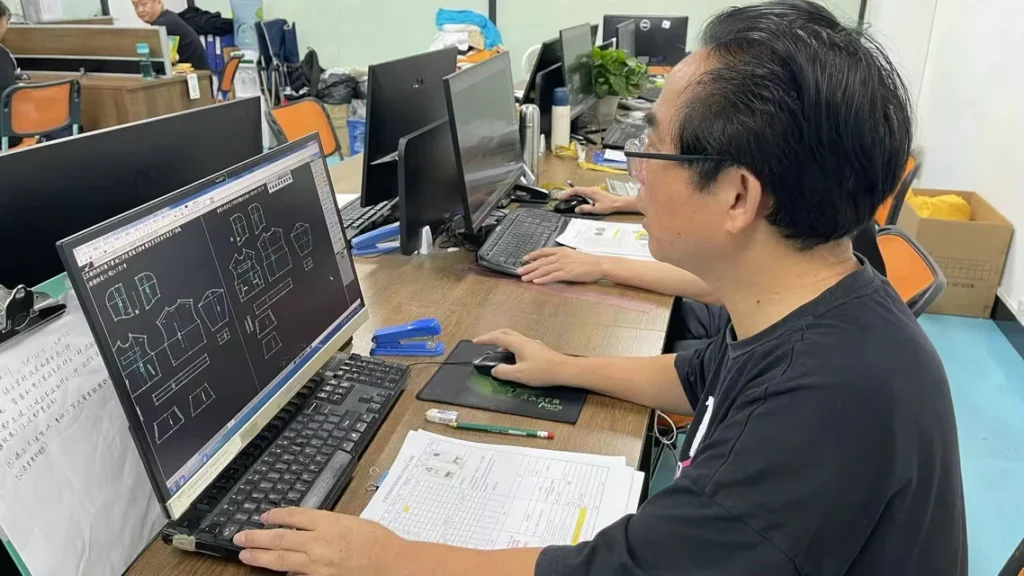
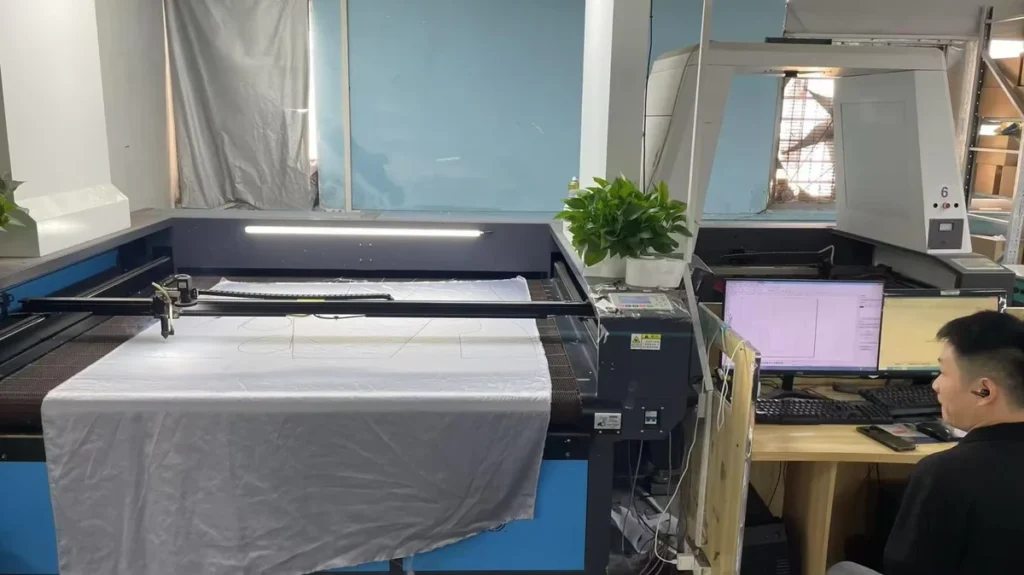
Agree what is being developed and which inputs are still needed.
Confirm the material, fit, artwork and construction.
Written specifications and the approved sample guide bulk execution.
DEVELOPMENT SCOPE
A clear product direction can start a Standard ODM review. Original collections, high-complexity artwork, multiple styles or repeated major revisions require separate development fees, timing, intellectual-property and exclusivity decisions.
Target customer, market, product references, target price and planned quantity.
Materials, fit, decoration and sample decisions are reviewed in sequence.
The final version is written down and confirmed before it becomes a production reference.
THREE DEPTHS
The same starting point can be handled at three different depths.

Change fabric, colour, artwork or trims within a construction that is already proven.
A direction, market and target price developed into a proposal, with the trade-offs made explicit.
An original series, complex artwork or several development rounds, scoped and costed separately.
WHAT DEVELOPMENT PRODUCES
The output of a development round is not an opinion about the design.
The fabric, trims and colour basis the garment is costed and made on.
The measurements and grading the sample and the bulk order are cut to.
Placement, technique and the approved artwork for each decoration.
The version the sample is approved against and bulk production follows.
WHAT COUNTS AS NEW WORK
One revision within the agreed scope is part of normal development. Changing the main fabric, the construction or the core workmanship is new work: it is re-costed, re-scheduled and confirmed in writing before a new sample is made, rather than absorbed into the original development.