
Specification ready
The written version and approved sample are aligned.
JYTK APPAREL
Follow the decisions and production stages that connect an initial enquiry with finished garments.
FABRIC / CUTTING
A look at fabric inspection and cutting as a production step.
THE PRODUCTION FLOW
Each stage below follows the numbered production-flow material supplied for this site.
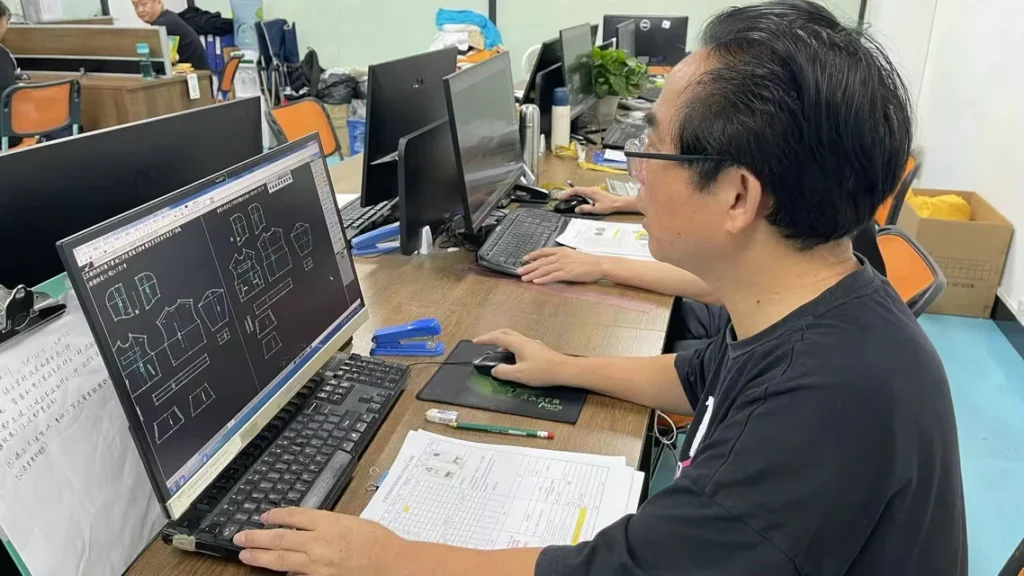
Digital sizing and grading for children's wear.
Prototype development for review and approval.
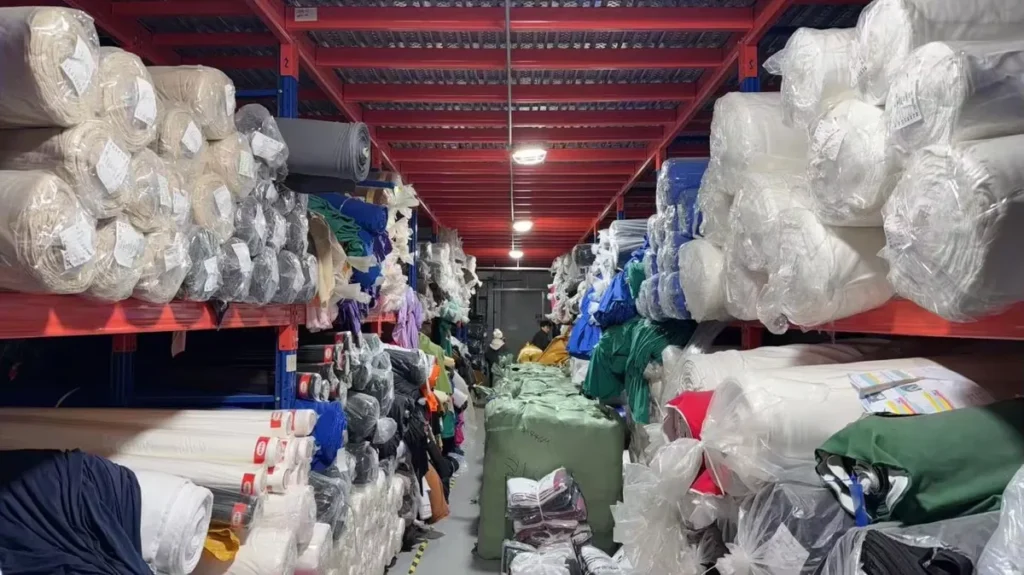
Materials are prepared and allowed to relax before cutting.
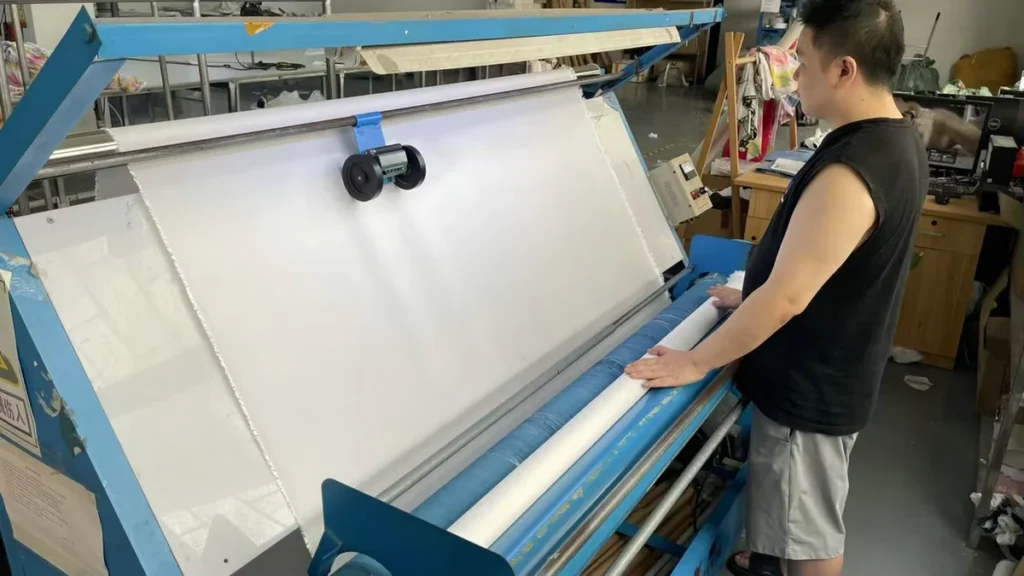
Checking flaws, shrinkage and color consistency.
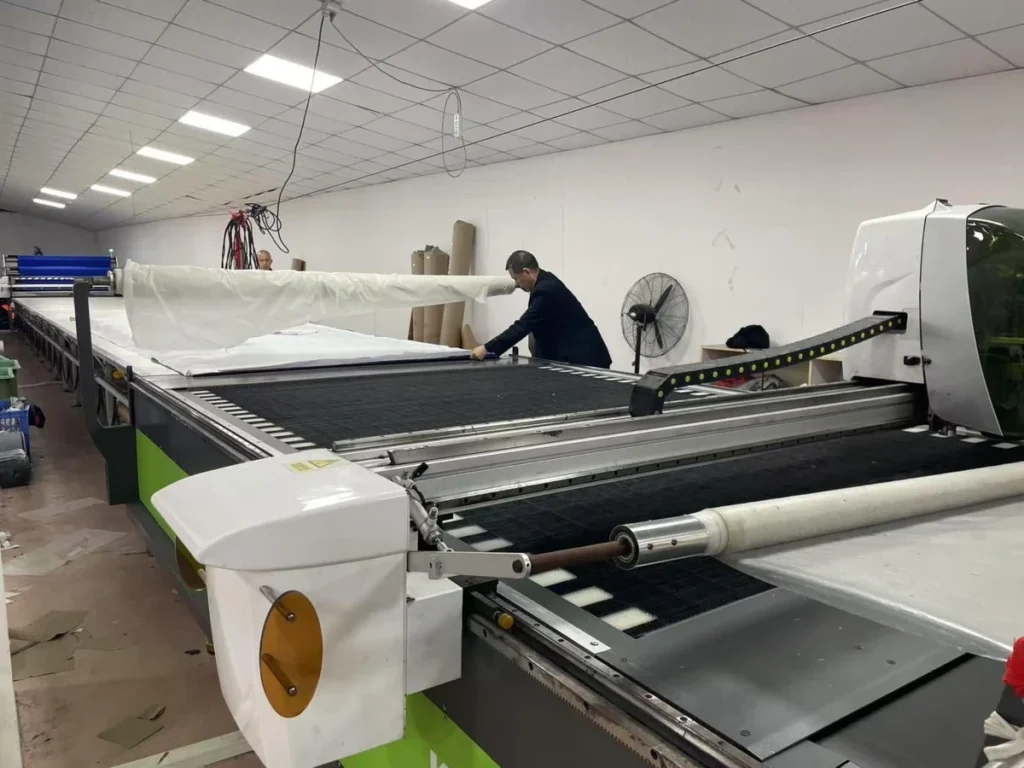
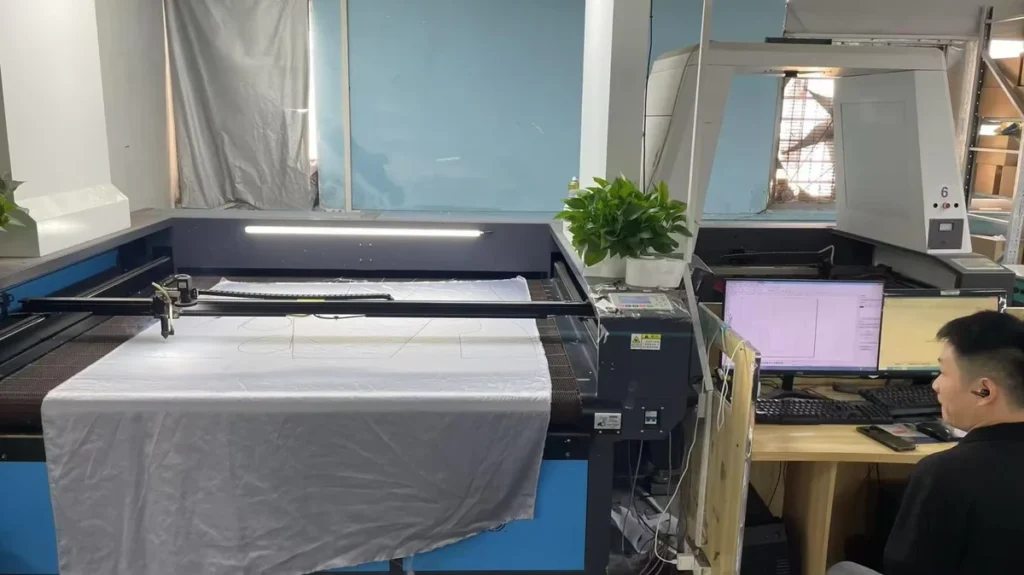
Precision cutting to maintain consistent dimensions.
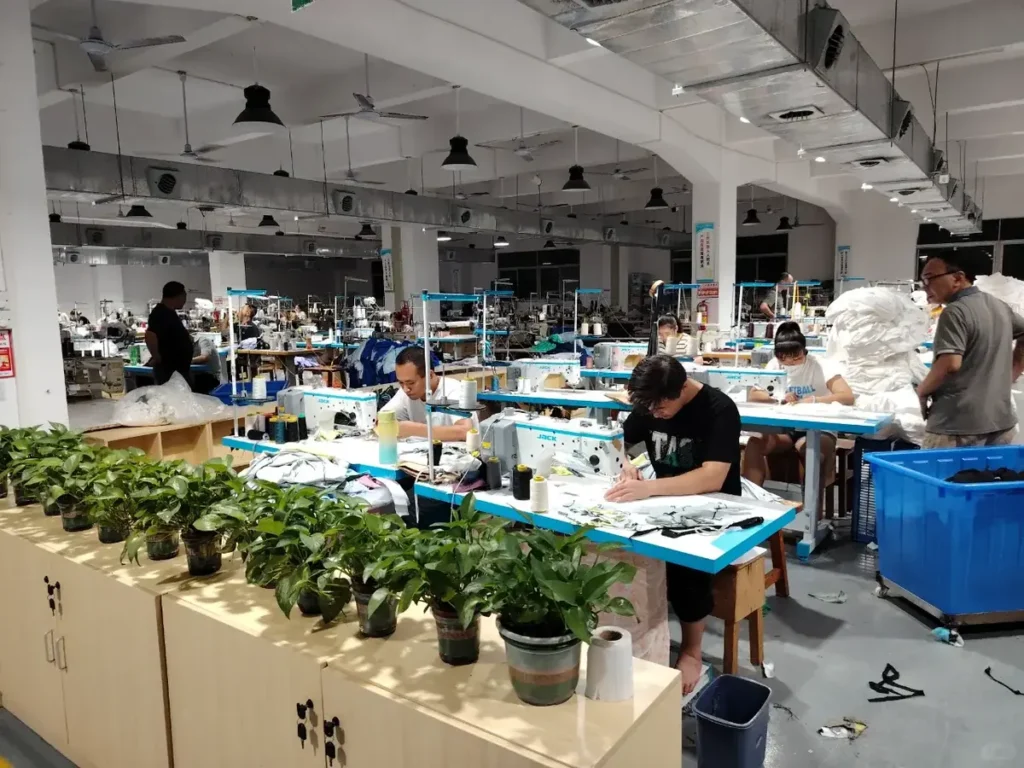
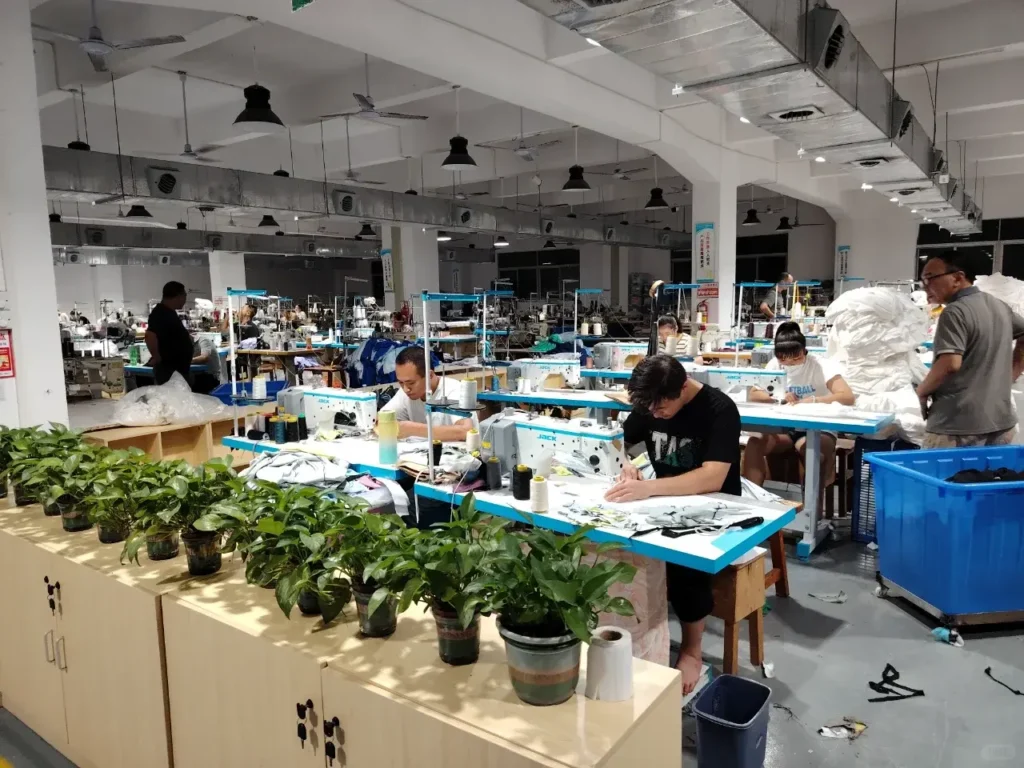
Assembly by experienced production lines.
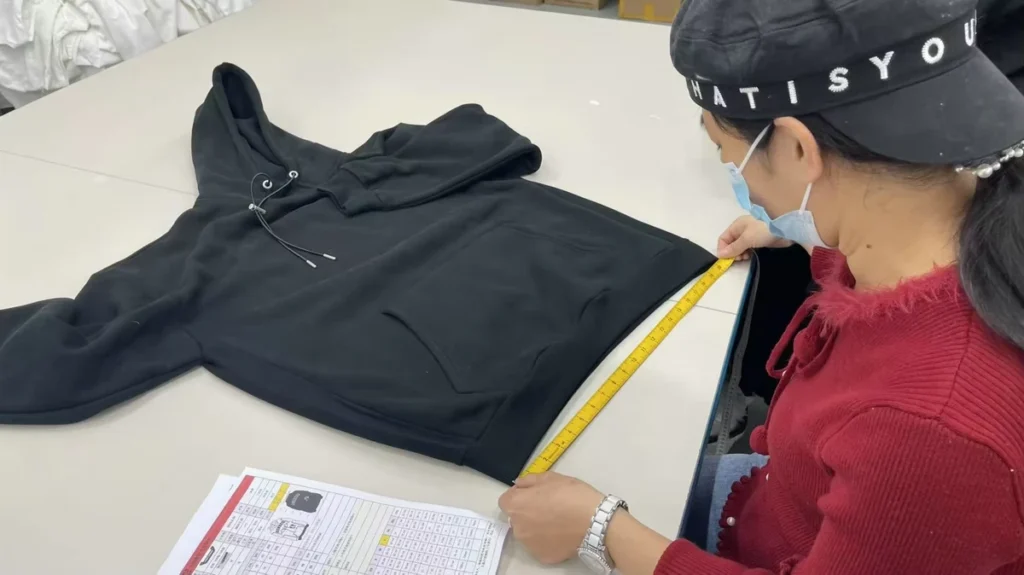
Inline and post-production checks for measurements, seams and defects.
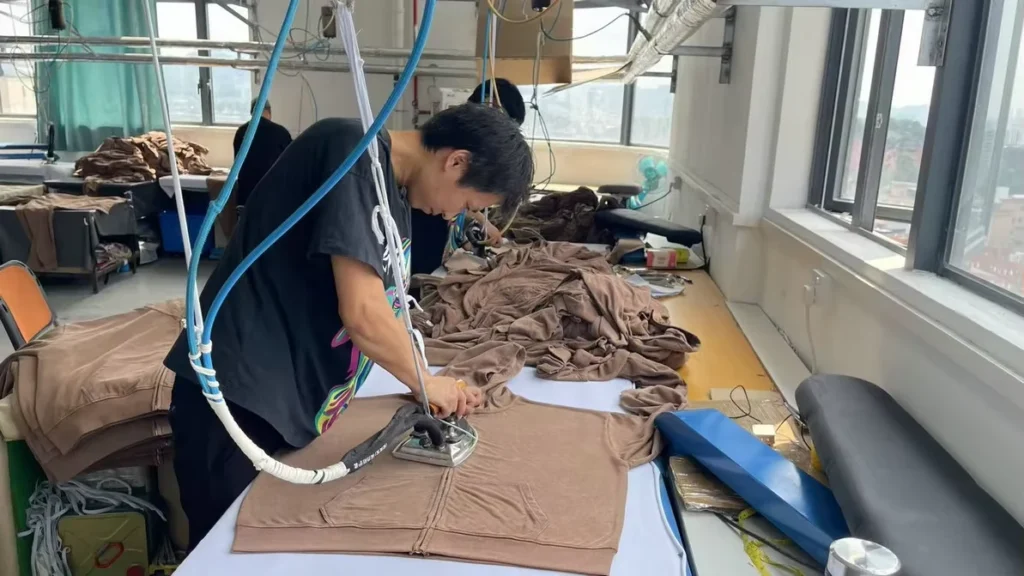
Industrial pressing for a clean, retail-ready finish.
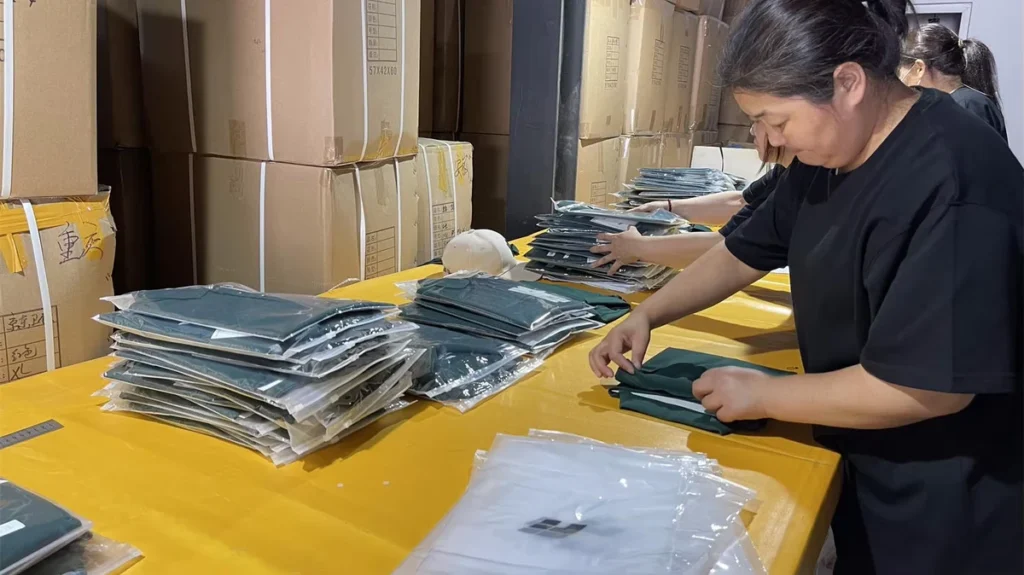
Folding, hangtags and packaging to your specifications.
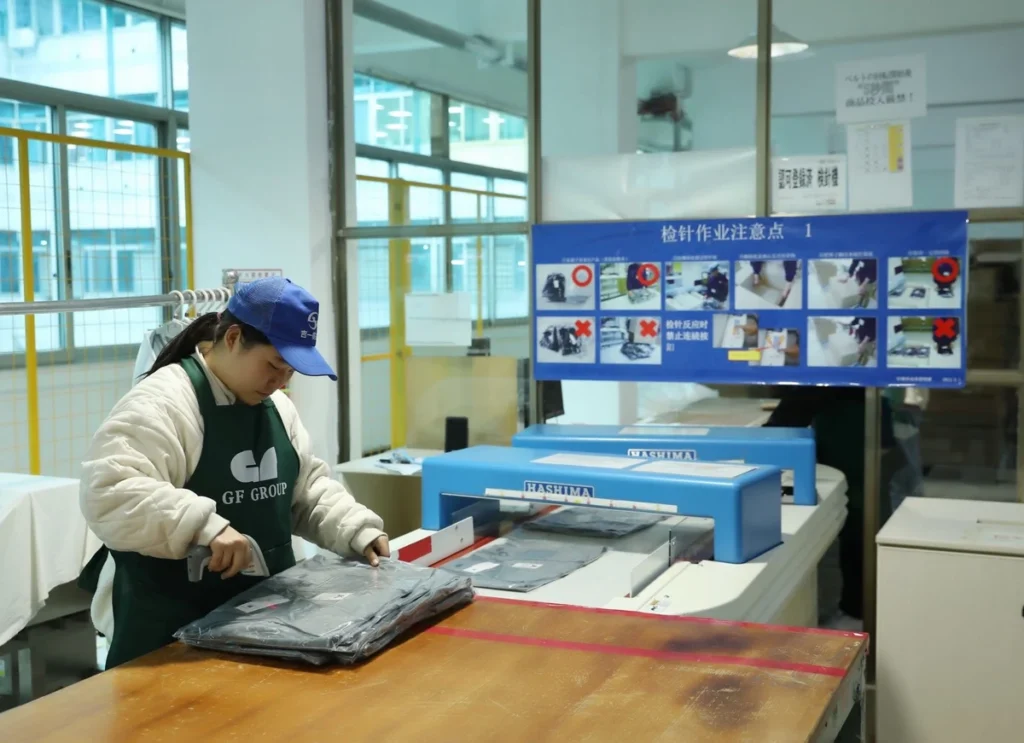
Metal safety scanning on finished garments.
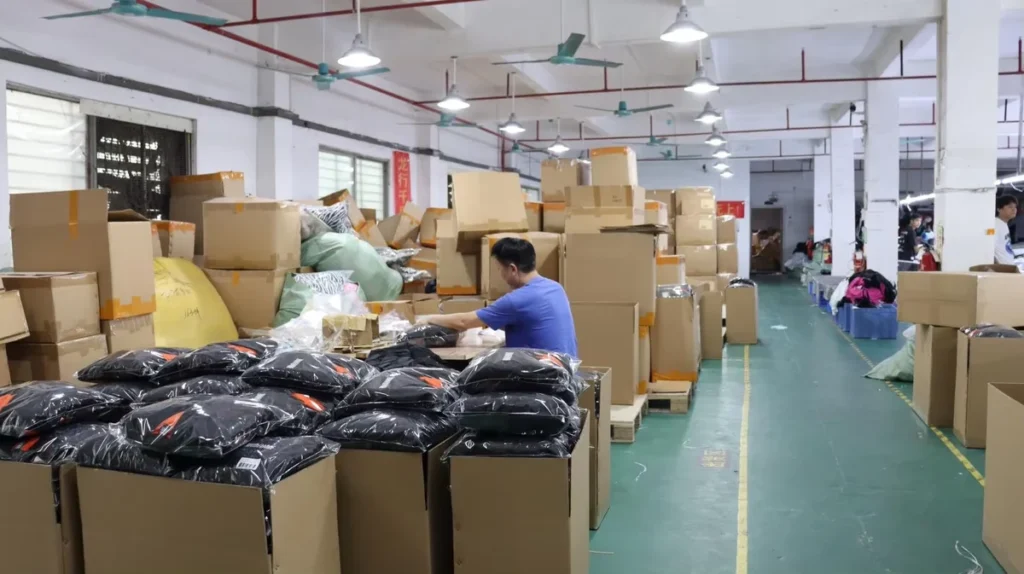
Export-grade master carton packing for transit.
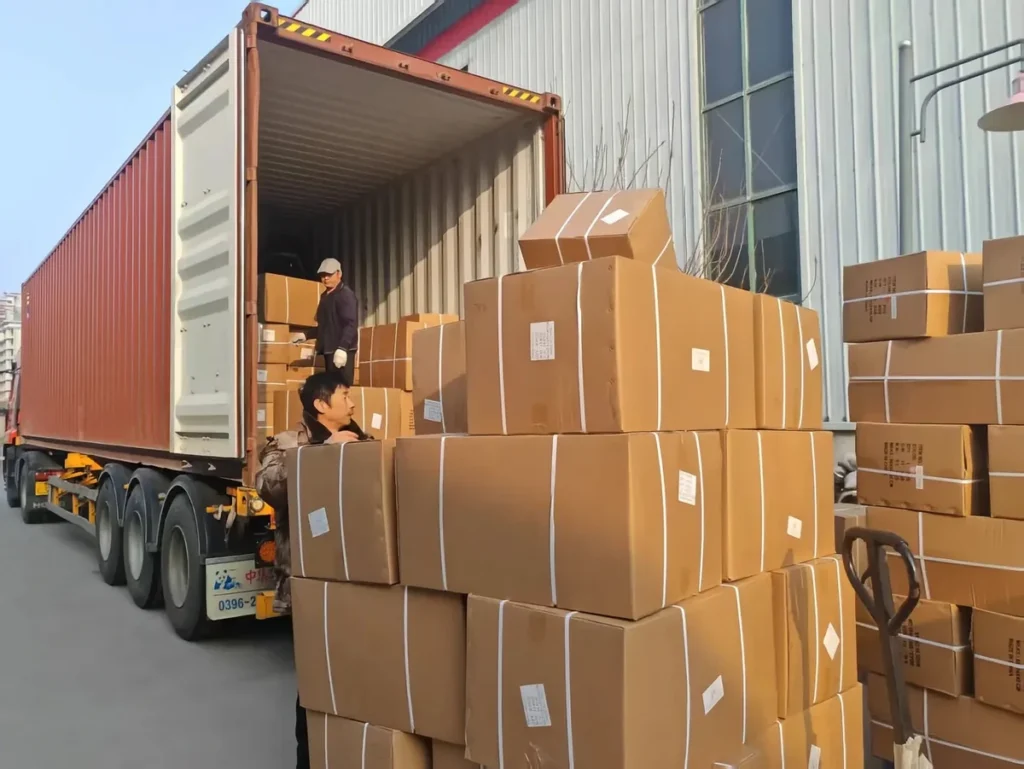
Sea, air or express shipment to your destination.
Bulk Production Release follows the confirmed order, applicable payment, final specifications and material readiness. The standard production reference is approximately 30–45 calendar days from that release; arrival at the destination is a separate logistics timeline.
RELEASE CONDITIONS
The written version and approved sample are aligned.
Required fabric, trims, decoration and packaging inputs are available or scheduled.
The agreed payment and order conditions are complete.
AFTER DELIVERY
When a problem is raised after delivery, the cause is established first. What follows depends on that finding, and a remedy is decided through approval rather than in the first conversation.
The finding can be customer responsibility, transport responsibility, our responsibility, or remain undetermined; a shared outcome is also possible.
Where the issue is ours, the practical remedy may be rework, replacement, a remake, a credit note or a reasonable refund. A cash refund is not the default answer.
The commercial contact collects the details. Refund amounts, free replacement quantities, credit notes, remakes and compensation are decided through internal approval, not agreed on the spot.
Garments that fail the agreed inspection are reworked and checked again. Goods are released against a specific deviation only when the customer has accepted it in writing, which is a high-level approval.
An order is complete once the goods have been received, the normal claim window has passed and no significant question is still open. A later season or a repeat order starts as a new project.
REORDERS
A repeat of an unchanged style can take a shorter route, because the version is already approved. Even then the quantity, colour and size breakdown, current price, material availability, capacity and delivery are confirmed again before the order is scheduled. A change to fabric, colour, pattern, workmanship, logo, packaging or testing requirement returns the style to review, re-sampling and re-quotation rather than through the short route.