
Workmanship
Review embroidery, heat-transfer and other decoration requirements.
Kidswear Customization & CraftsmanshipJYTK APPAREL
See the garment development and production work behind a kidswear project.
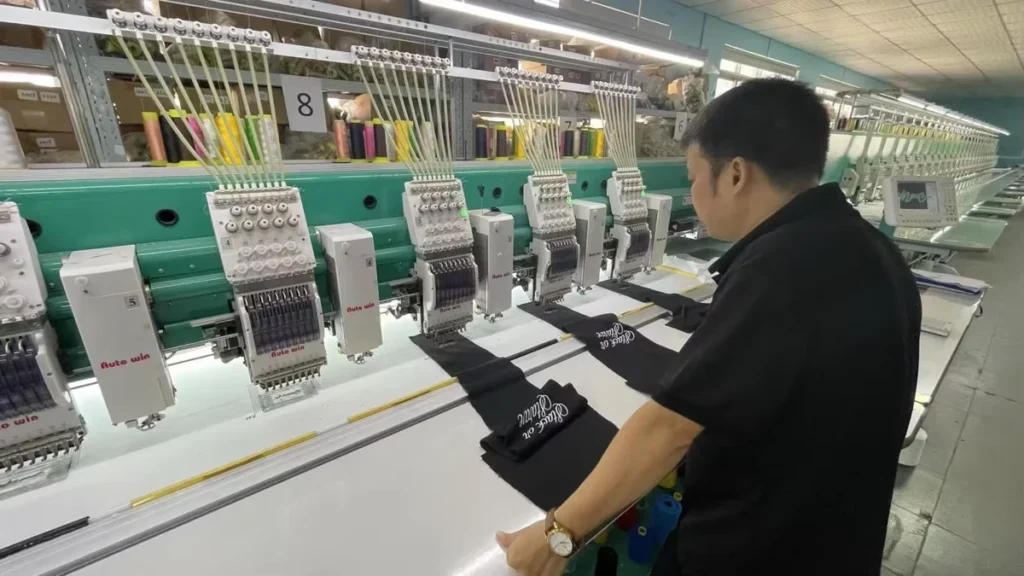
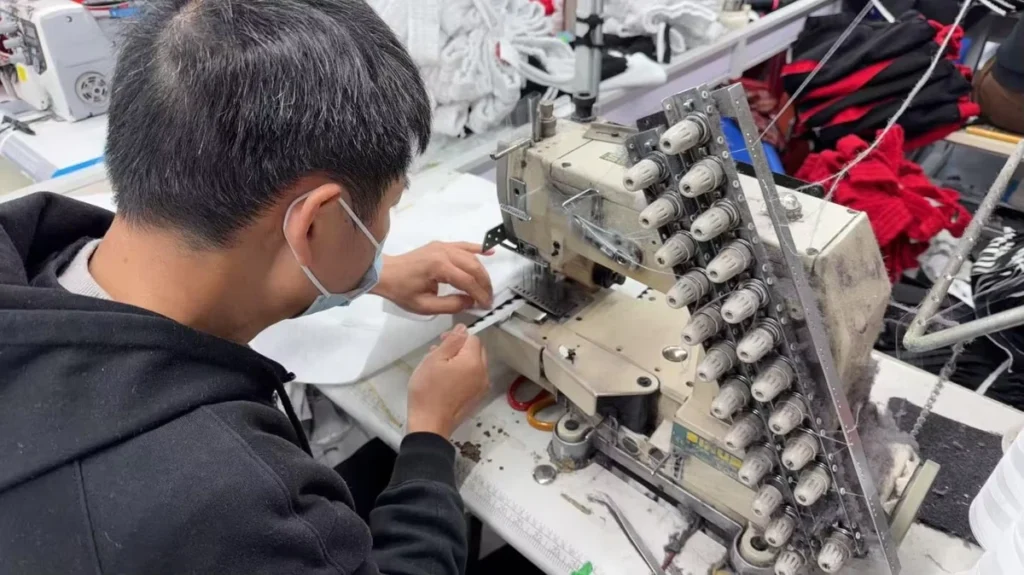
Development, decoration, sewing, inspection and packing each contribute to the final specification. The manufacturing examples on this site are supplied for that context.
Review embroidery, heat-transfer and other decoration requirements.
Kidswear Customization & CraftsmanshipFollow the full brief-to-export process.
Production Process: From Brief to ExportCustomer-exclusive designs and authorised display samples retain their agreed usage boundaries.
Design Rights & ConfidentialityWHO THIS SUITS
Four groups, each with a different reason for needing a manufacturer like this.

Running a real brand with seasonal development, typically several styles a quarter. They need quality, consistency and a supplier who does not quietly change the product between orders.
In Japan, the pressure is on detail, workmanship accuracy and consistency. In Australia, on function, testing, compliance and dependable delivery.
Working from proven styles with colour, logo, label and packaging changes across a wide SKU range, where development speed and stable repeat supply matter more than original design.
Supplying retailers and online channels with moderate quantities across many styles, needing repeatable quality and a supplier who can replenish a best seller.
A GOOD FIT
The model suits a buyer who already runs a real apparel business, buys around 300 pieces or more per style, develops several styles and reorders, and is prepared to work through normal sampling, payment and confirmation steps. A first brand is not excluded — a clear requirement, a realistic budget, a genuine business plan and acceptance of the minimum order are what decide it. What does not fit is a brief with no defined direction yet, a test order of a few dozen pieces, or a request for a price before the specification exists.
PROJECT FIT
A customer relationship here starts with a product direction and becomes a repeatable production reference. The brief, approved sample and project records keep decisions aligned from development to shipment.
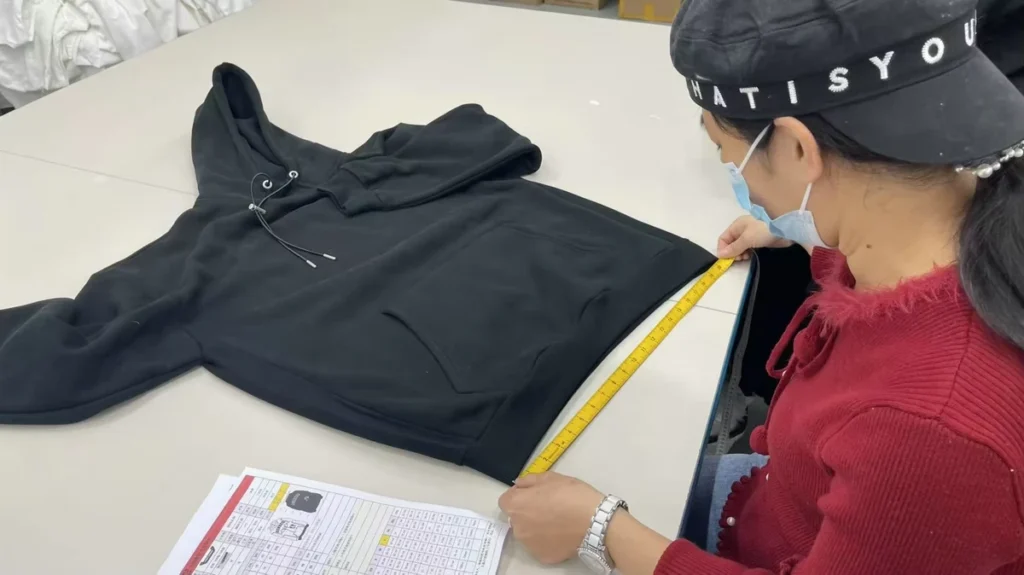
Market, quantity, target price, artwork, material and timing give the team a working brief.
Material, construction and workmanship are checked through sampling before bulk production is released.
The approved reference and project records give repeat programs a clear point of comparison.
MANUFACTURING WORK
A customer reference is only useful when the production path is visible. These examples connect the wall to the actual development and manufacturing work.

The client-supplied factory image identifies the Qingdao Jinyi Taikun manufacturing and export base.
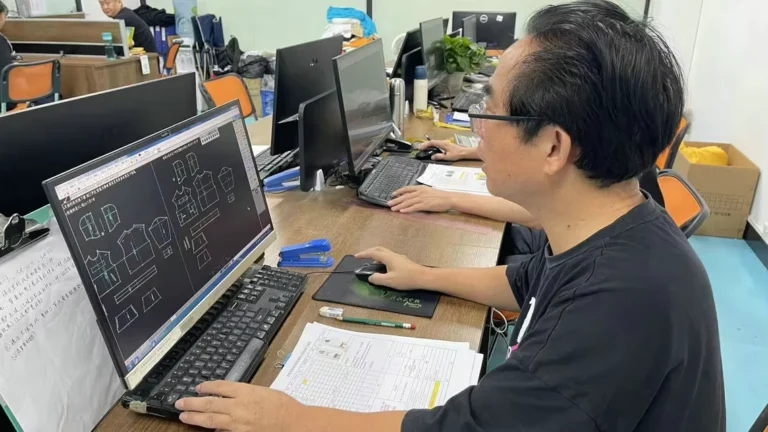
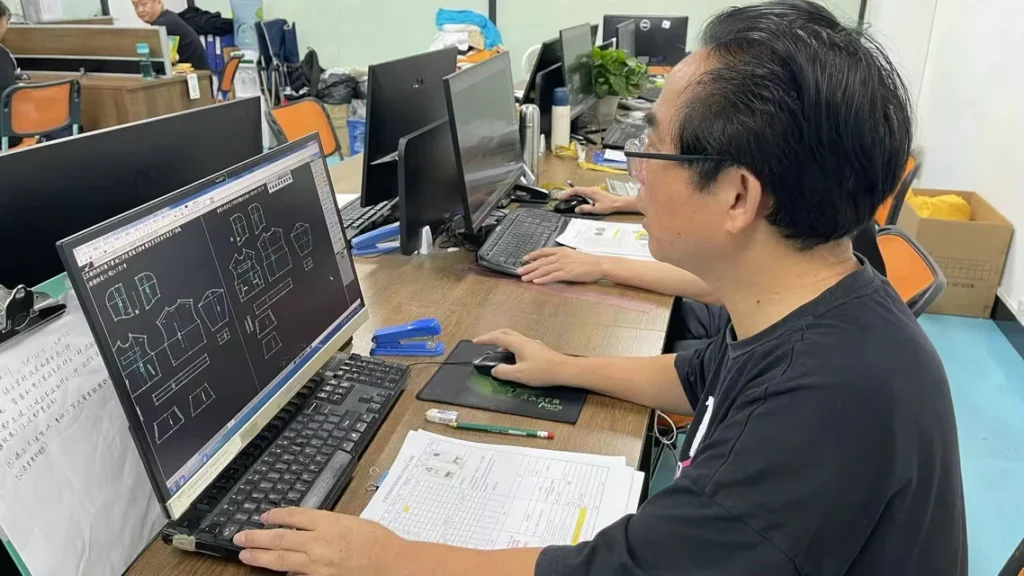
Fabric preparation, pattern making and sample decisions are reviewed before bulk release.
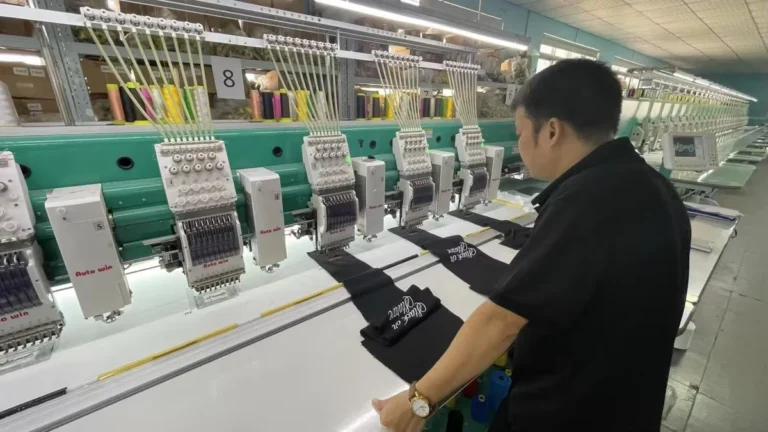
Embroidery and other decoration are assessed against the artwork, fabric and construction.