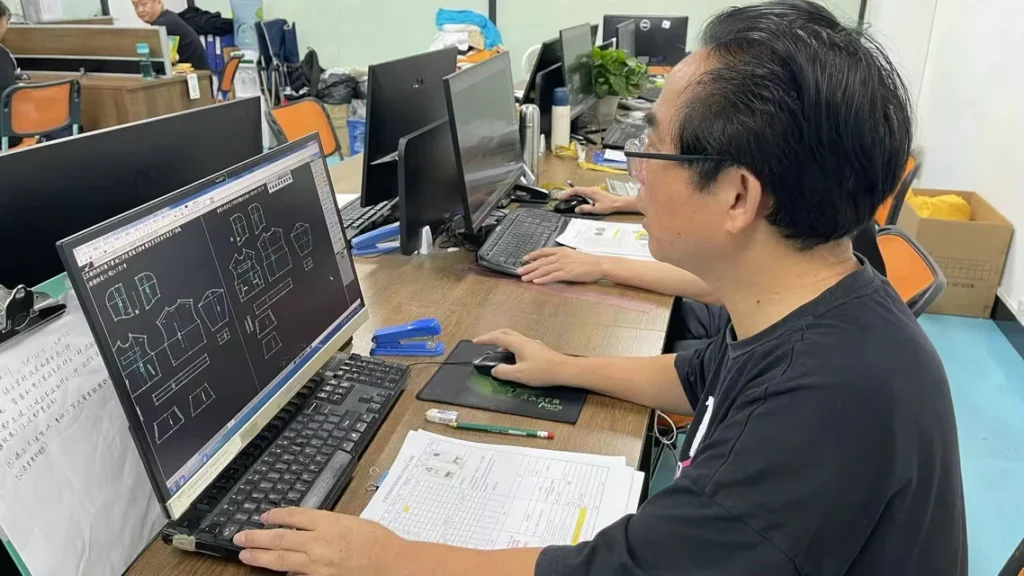

Fabric, colour and fit
Define composition, weight, hand feel, measurements and colour requirements for the specific garment.
JYTK APPAREL
Connect the fabric, fit, decoration and brand details to one garment specification.
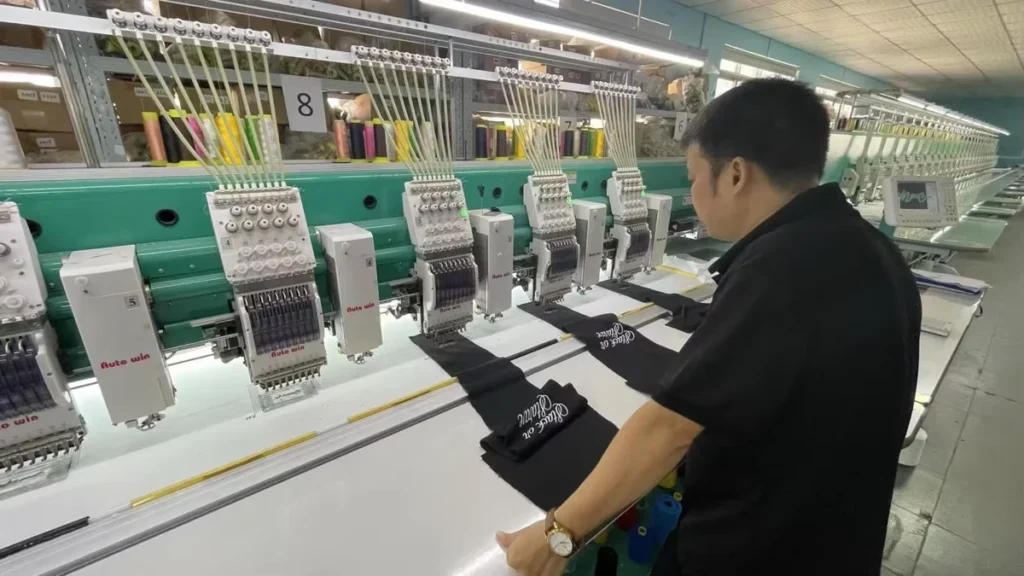
Define composition, weight, hand feel, measurements and colour requirements for the specific garment.
Review artwork, placement, stitch detail and the physical workmanship sample.
Confirm artwork, application position and the approved decoration result.
Embroidery, heavy embroidery and heat transfer are core processes. Screen printing, white-ink DTG and washing are supported by long-term qualified partners. Scope, cost and timing are reviewed for the project.
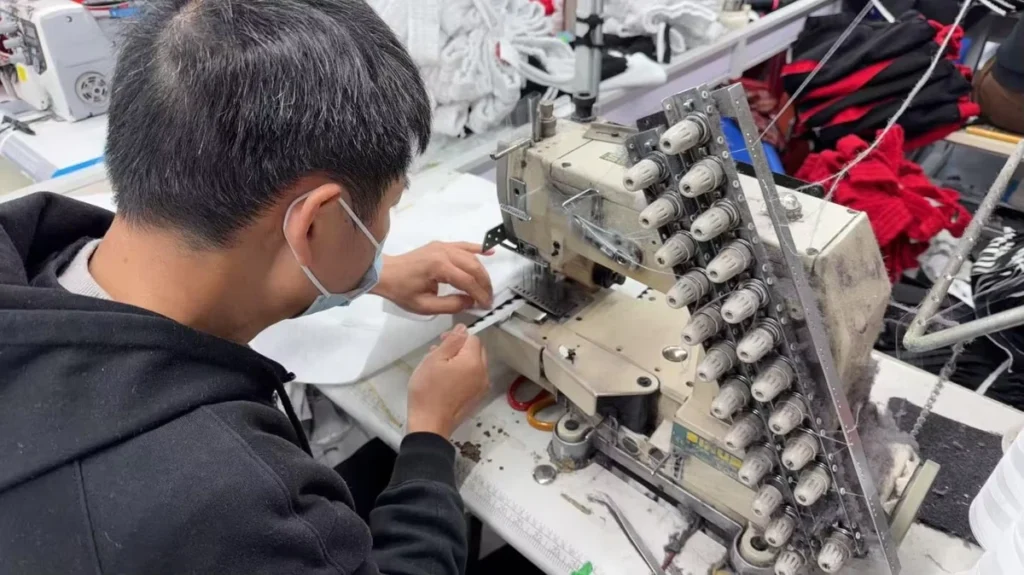
WORKMANSHIP REVIEW
A named process is not a blanket approval for every fabric or artwork combination.
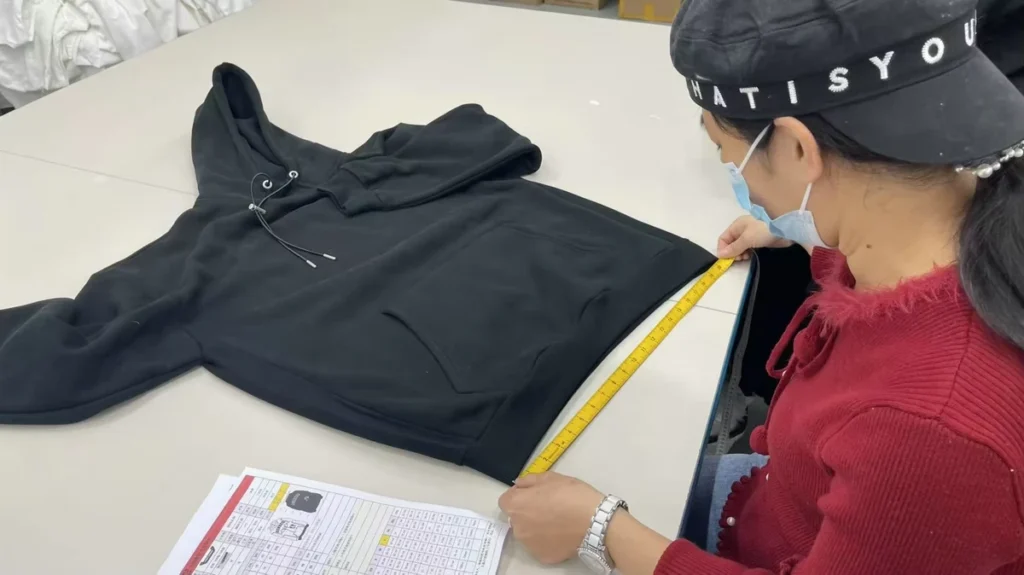
Confirm the base fabric, artwork, position and target effect.
Use the sample to check appearance, hand feel, construction and durability requirements.
Changes to fabric, structure, artwork, quantity or placement trigger a new feasibility review.
WHERE EACH CRAFT RUNS
The core decorative processes and where each of them runs.
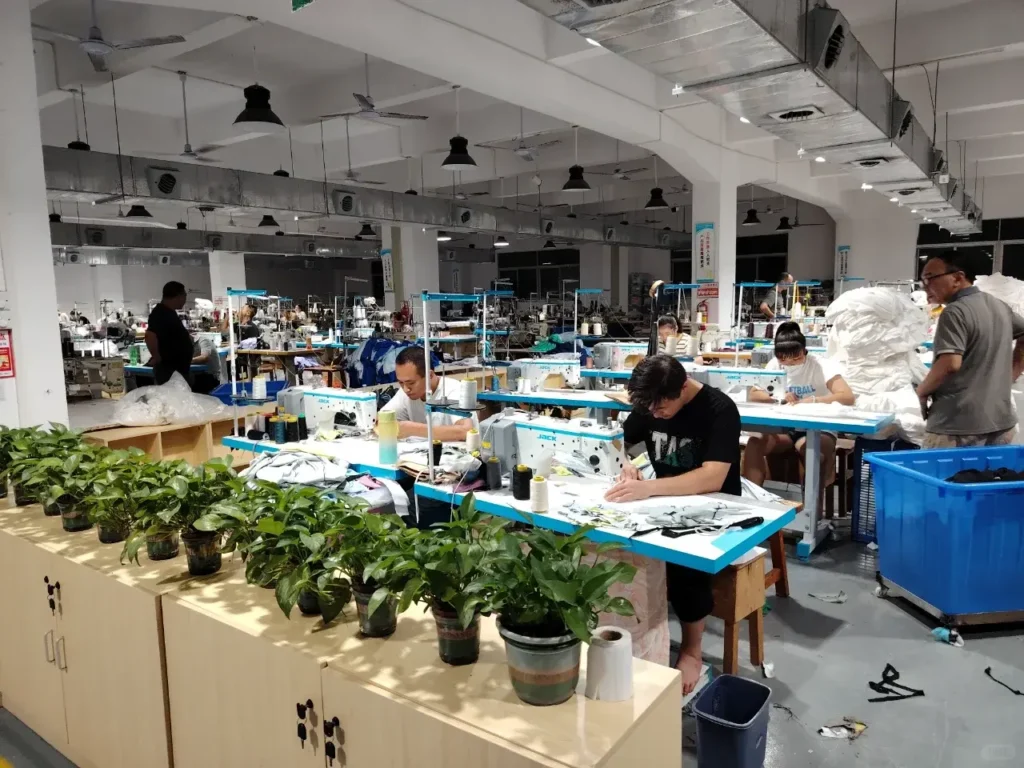
A focus process within the manufacturing team's own workmanship scope.
Handled in the same scope, and assessed against the garment it sits on.
Applied within the production flow of the garment.
Run by long-term qualified partners, under the same quality and delivery responsibility.
WHAT DECIDES FEASIBILITY
Fabric weight, stretch and surface, the construction the decoration sits on, the size of the motif and where it is placed all affect whether a process is practical and how it behaves in bulk. These are reviewed against the specific garment before the quotation is prepared, instead of being read off the artwork alone.
COMBINED WORKMANSHIP
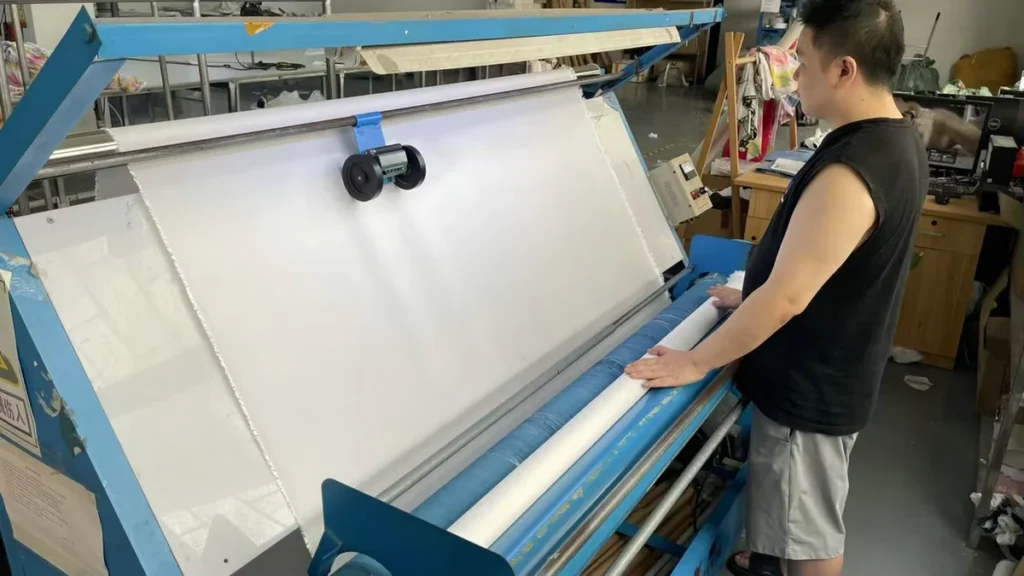
Styles that combine embroidery, printing and applied decoration are handled as one specification: the order of the processes, the way they interact on the same panel, and the version that is approved are agreed together. This is the kind of workmanship assessment that a single-process quotation does not cover.