
Pattern and fit
Confirm measurements, size requirements and the intended garment construction.
JYTK APPAREL
Develop a reference or product direction into a physical sample that can guide manufacturing.
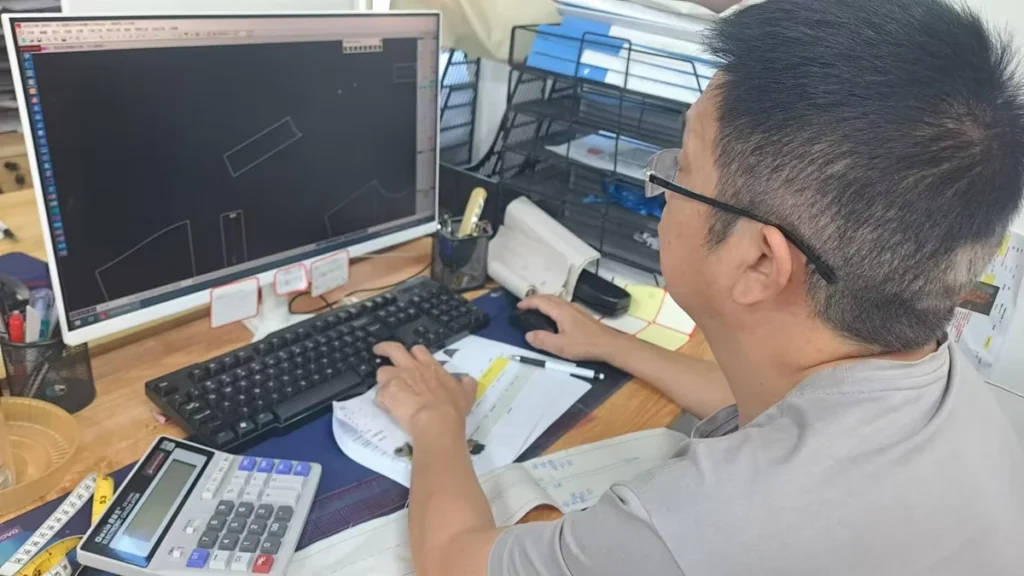
Share style references, target market, budget and planned quantities. We connect material selection, pattern development and workmanship to the sample review.
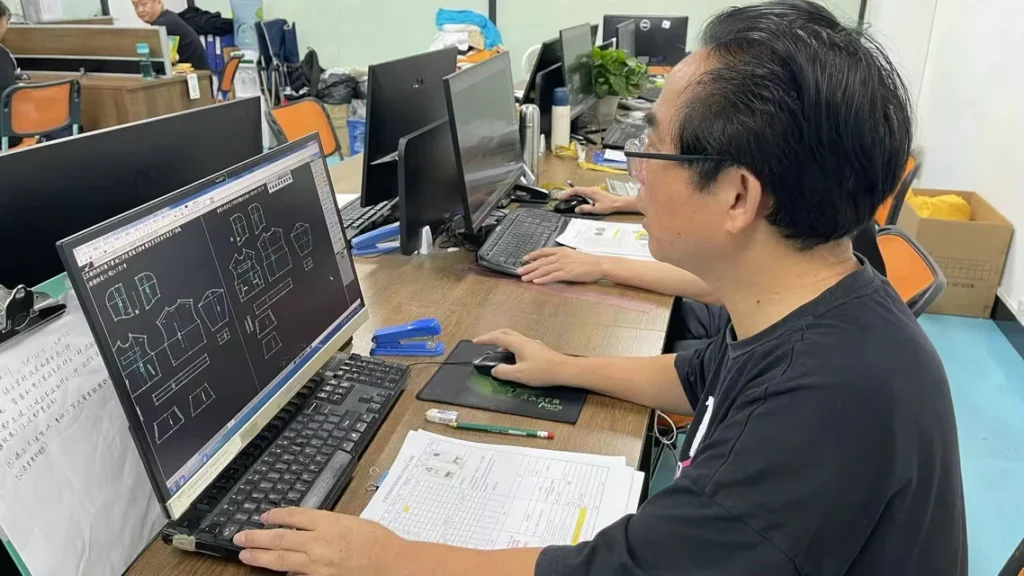
Confirm measurements, size requirements and the intended garment construction.
Review fabric, colour, artwork and workmanship samples.
Standard adjustments and major changes are treated separately. Deep original development is quoted and scheduled for the project.
SAMPLE REVIEW
The first sample is a decision point, not an automatic production approval.
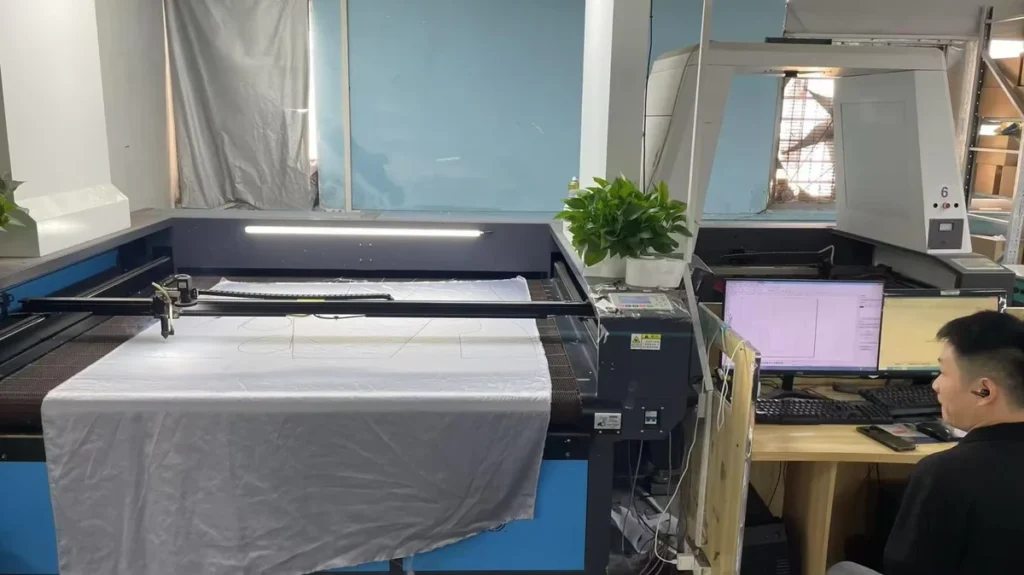
Confirm the intended construction, size requirements and measurement points.
Review fabric, colour, artwork and decoration against the target result.
Minor adjustments can remain within normal development; major structural or material changes may become a new development.
FROM REFERENCE TO PRODUCTION
Each step ends in something the next one can be built on.
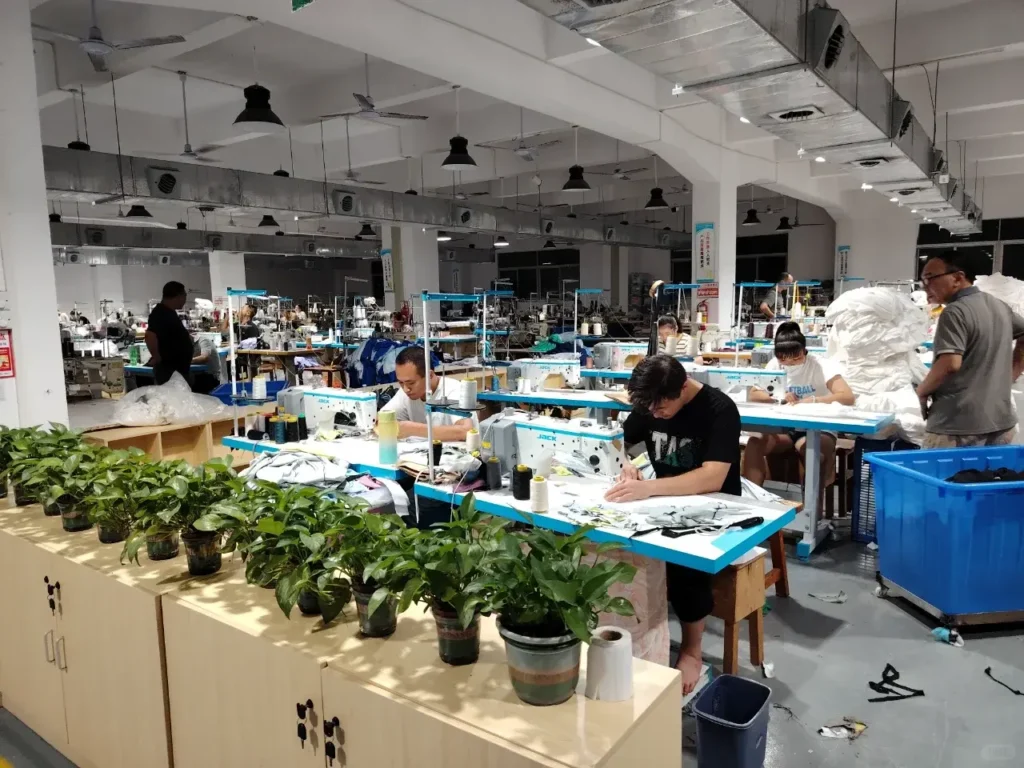
References, target market, target price, estimated quantity and timing.
Fabric, trims, fit and workmanship reviewed against the intended price.
Pattern making, the size set and the first physical sample.
One revision within the agreed scope, then the approved sample and written specification.
WHAT SHORTENS DEVELOPMENT
A development round moves faster when these are settled early.
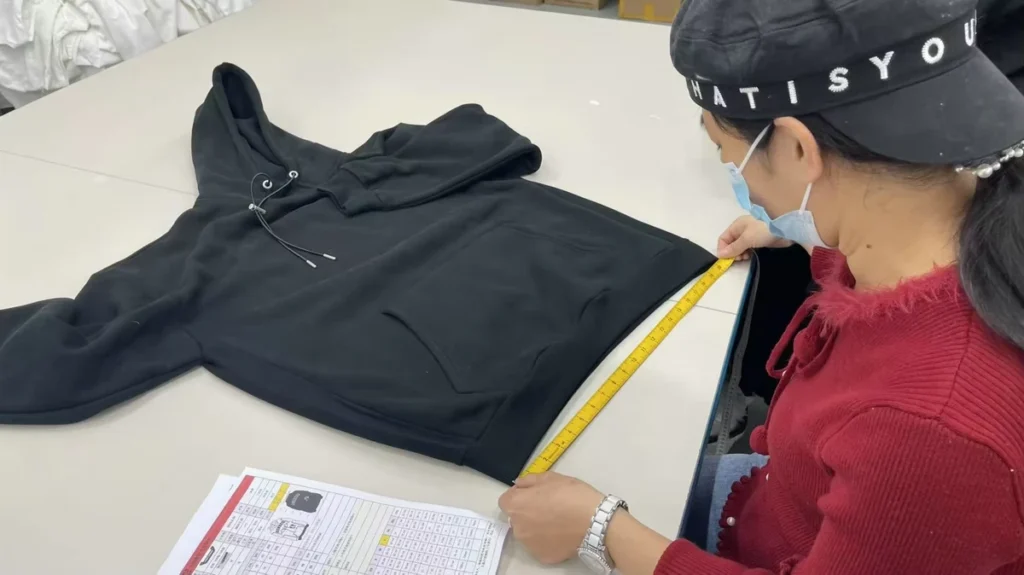
A sample, a photograph, a competitor style or a clear description of the direction.
The size set and grading you sell, or the market you are designing for.
A target price makes the trade-offs between fabric, workmanship and construction concrete.
Labelling, testing and destination requirements that affect the specification.