
Customer-exclusive materials
Customer designs, technical packs, patterns, brand marks and artwork are handled under the project agreement.
JYTK APPAREL
Keep customer-exclusive project materials distinct from general base styles and manufacturing know-how.
Customer designs, technical packs, patterns, brand marks and artwork are handled under the project agreement.
The company’s general base styles and production knowledge are distinct from customer-exclusive assets.
An authorised display sample illustrates manufacturing work; it is not automatically a style other customers may copy.
Market, product, term and cost boundaries for exclusivity or deep development are agreed for the specific project. IP protection does not by itself create free market exclusivity.

WHOSE ASSET IS WHOSE
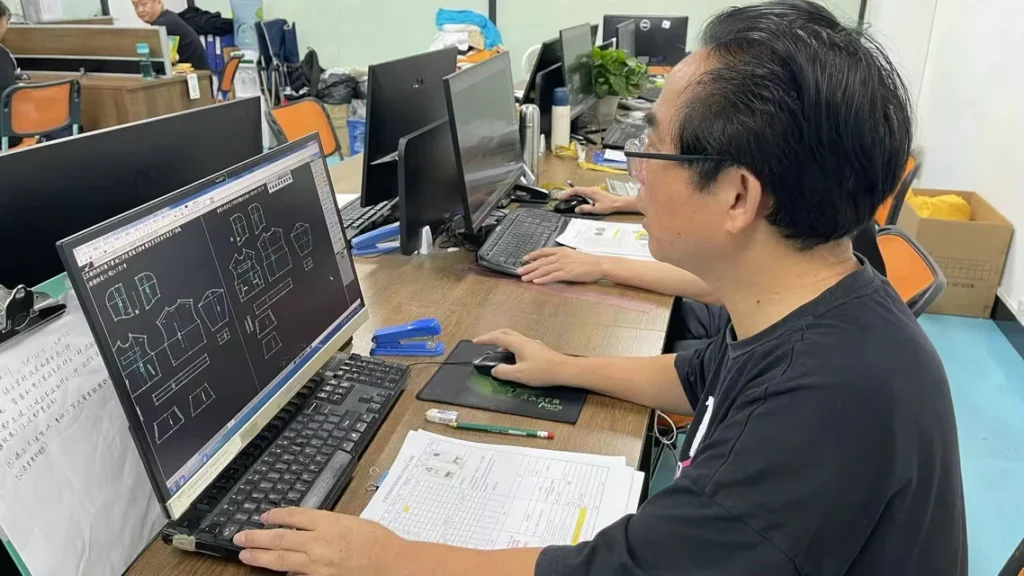
Your logo, trademark, original design, technical pack and artwork, and the patterns and designs developed specifically for your project.
Existing base patterns, process methods, production know-how, supply relationships and general development experience.
Your materials are not passed to another customer, resold or reused; keeping a design confidential does not by itself give exclusive use of a market.
WHAT WE WILL AND WILL NOT MAKE
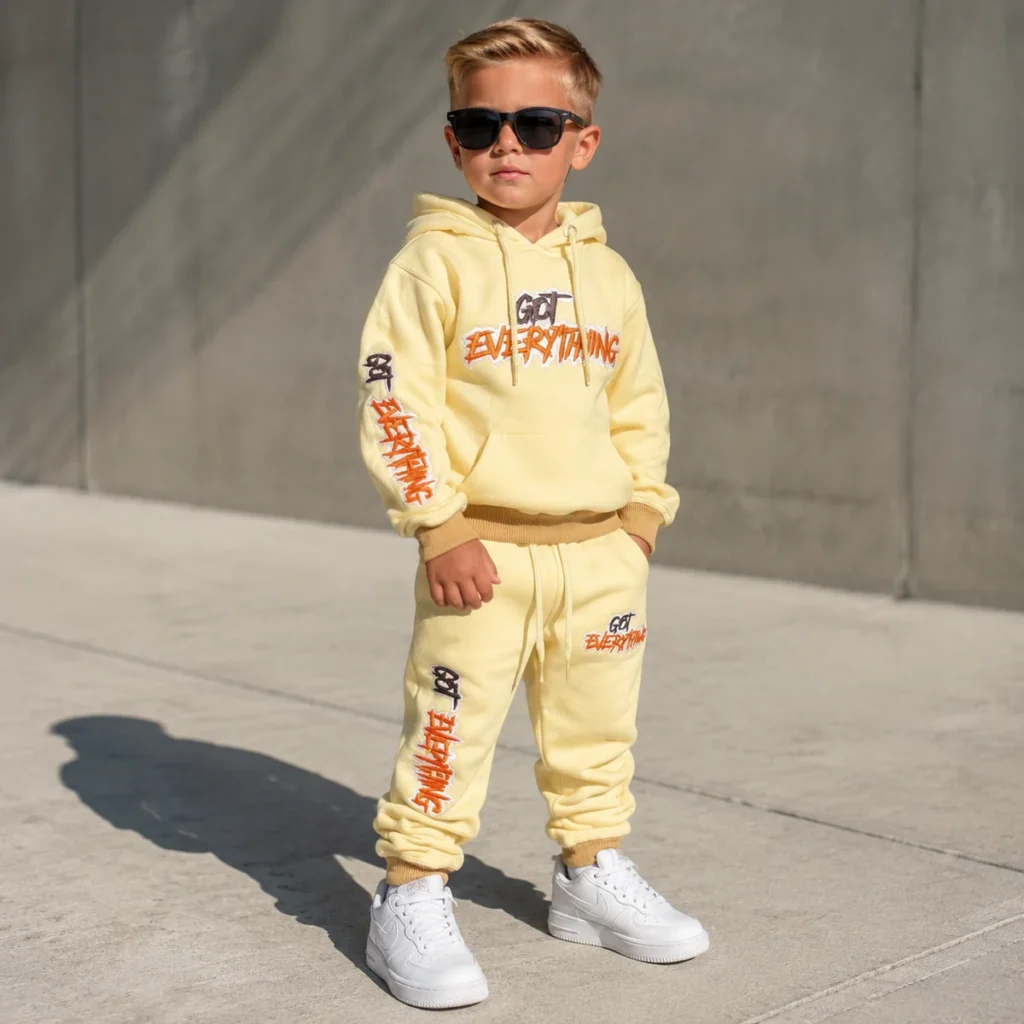
Your own previous styles, your own patterns and technical packs, samples you legitimately own, and designs you have the right to use.
Counterfeit brand marks, false labels, a one-to-one copy passed off as an original branded product, artwork that clearly infringes, or brand labels made for a brand that is not yours.
CONTINUITY
A customer relationship is held by the company rather than by whichever individual happens to be handling it. If the person on your project changes, the account, the correspondence and the agreed specification are handed over inside the company, so the agreed version does not depend on one person staying in the role.