
Everyday comfort
For T-shirts, sets and light layers: compare composition, weight, hand feel, colour and intended use.
JYTK APPAREL
A kidswear fabric catalogue organised around the decisions that shape comfort, construction, performance and repeat production.
FABRIC CATALOG
Use the catalogue to start a material conversation. The proposed composition, weight, hand feel, colour, performance and availability are confirmed against the exact kidswear style before a quotation or bulk decision.
For T-shirts, sets and light layers: compare composition, weight, hand feel, colour and intended use.
For sweatshirts, hoodies, jackets and seasonal layers: compare body, recovery, warmth and construction before sampling.
For swimwear, sun-protection and quick-dry projects: confirm stretch, coverage, recovery, colour and market requirements for the exact style.
For unusual finishes, custom development or decoration-heavy pieces: confirm feasibility, MOQ, lead time and the approval route.
HOW TO USE THE CATALOG
Each card is a starting point for a project brief, not a promise of fixed stock. A final material specification is confirmed against the garment, the target market and the production plan. Ask for a proposed material and physical sample when the hand feel or performance matters.
WHAT TO COMPARE
These are the fields that move from a material idea into an approved specification.
Confirm the fibre or blend basis and how it supports the garment construction.
Use the target weight and physical feel to judge comfort, drape, warmth and cost direction.
Check recovery, coverage, moisture or other functional needs against the exact material and use.
Approve colour against a physical standard and coordinate labels, fasteners and packaging with the same version.
BY KIDSWEAR APPLICATION
The right material question changes with the garment. Bring the product direction, and the proposed material route can be assessed with it.
Prioritise comfort, colour consistency, print compatibility and a repeatable hand feel.
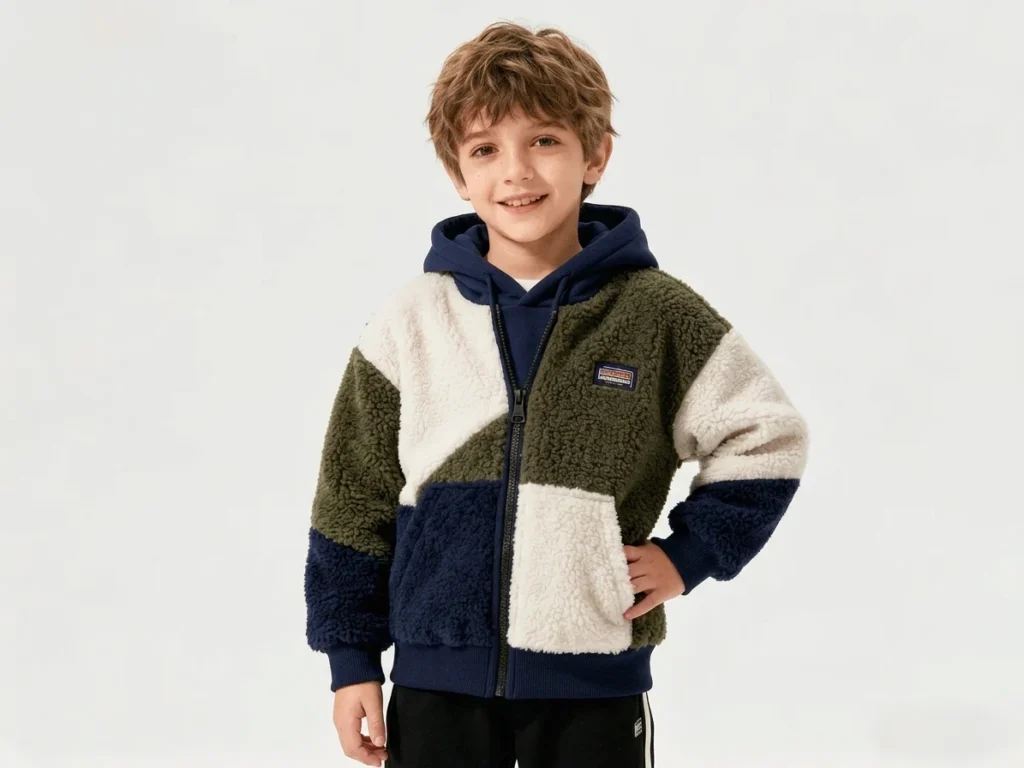
Review body, warmth, recovery, rib coordination and decoration behaviour before sampling.
Check structure, layering, closures, lining or padding requirements and seasonal use.
Confirm stretch, coverage, recovery, protection or quick-dry requirements for the destination market.
HOW A MATERIAL REACHES THE ORDER
The route is agreed before production so availability, minimums, inspection and timing are visible.
The requirement is matched against available materials, quoted with the garment and confirmed against a physical sample.
Purchasing is coordinated and incoming material is checked; minimums, delays or defects are raised before they affect the plan.
Loss, replenishment, storage, sorting, inspection and handling are agreed before acceptance.
FROM IDEA TO BULK RELEASE
A category name does not replace a confirmed sample. The same material decision must stay connected to the approved garment.
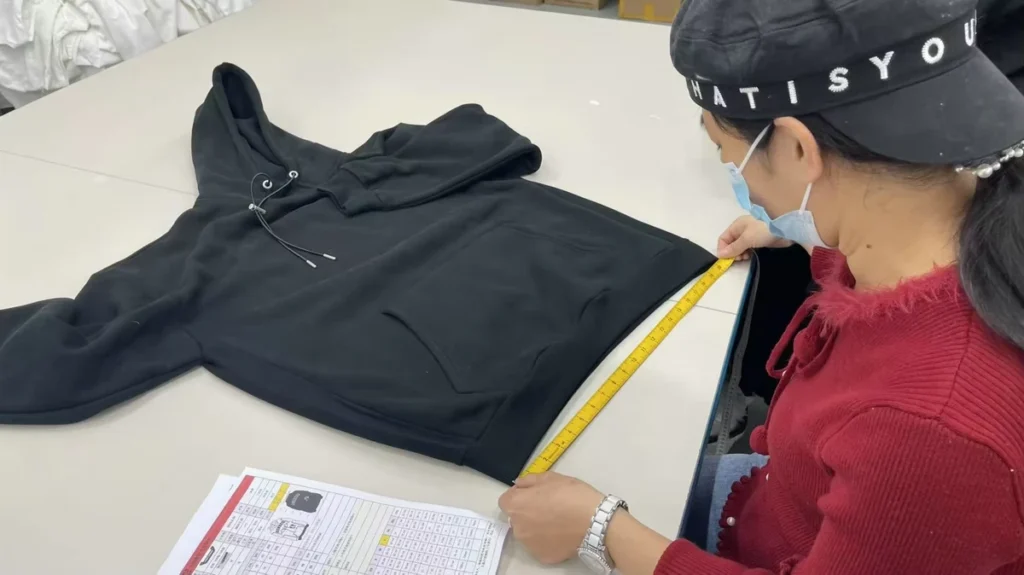
Share the product, market, quantity, colour, target hand feel and any testing or labelling requirement.
Review the proposed material and construction together; record any substitution or open decision.
Lock the version, colour standard, trims, packaging and project-specific evidence before bulk.
Inspect incoming material and keep the approved reference attached to the production and QC path.
FROM ROLL TO APPROVAL
These visuals show the review points. The actual specification, sample and project requirements remain the source of truth.
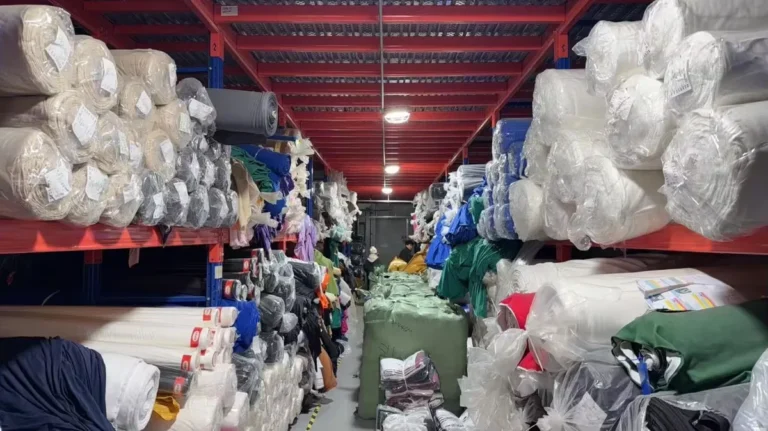
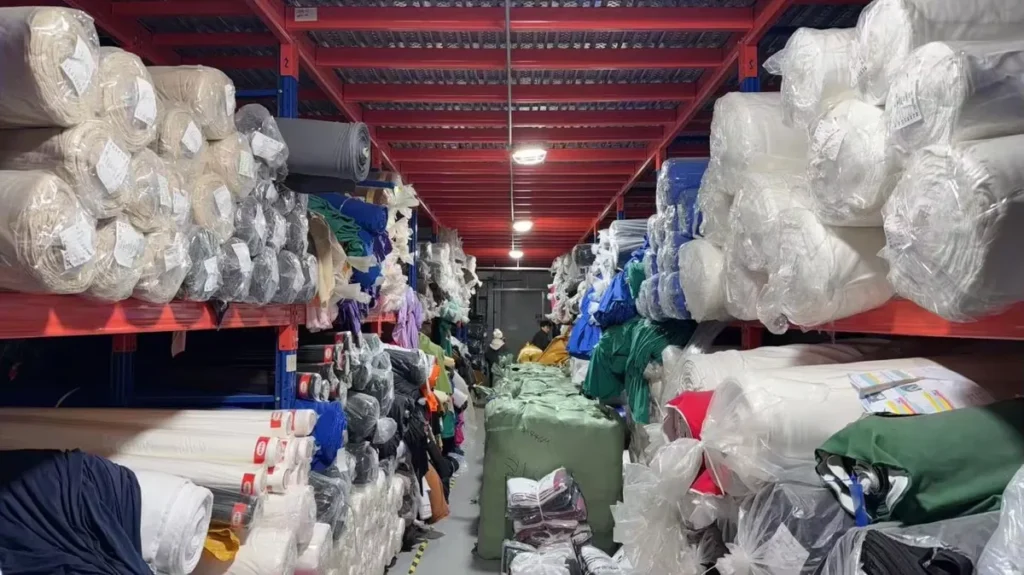
Rolls and material readiness are checked before cutting and sampling.
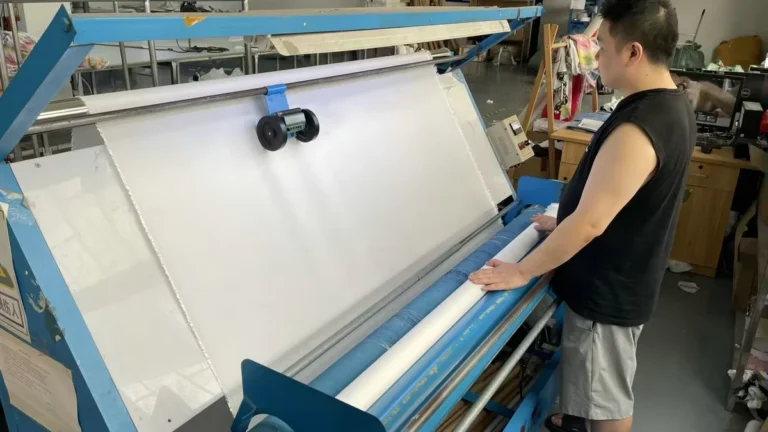
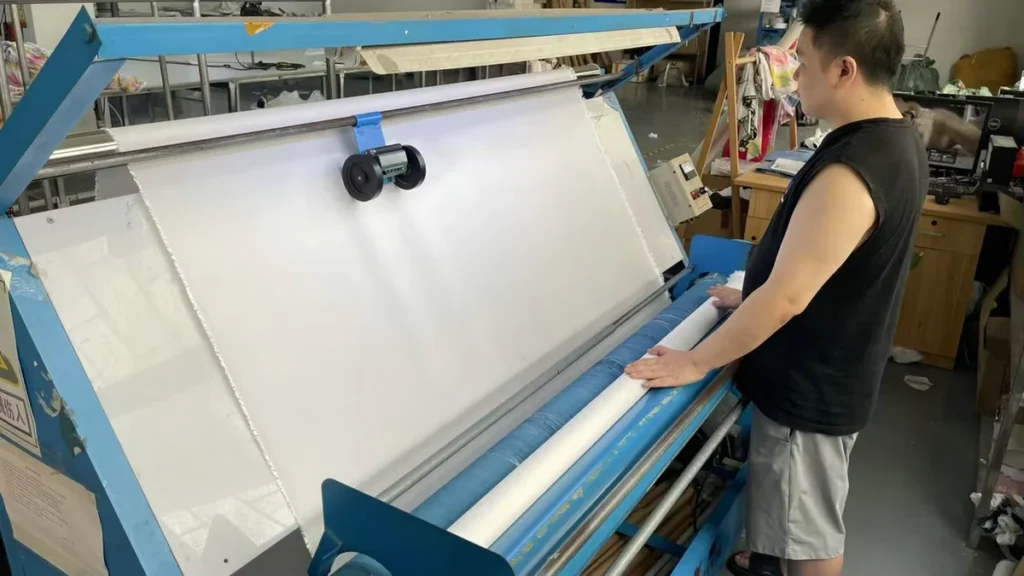
The material is inspected and prepared against the confirmed requirement.
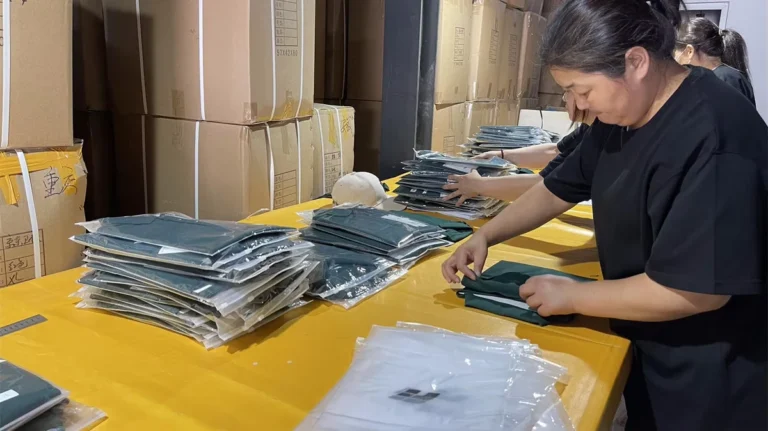
Brand components and packaging are coordinated with the construction and release plan.
SUSTAINABILITY REQUIREMENTS
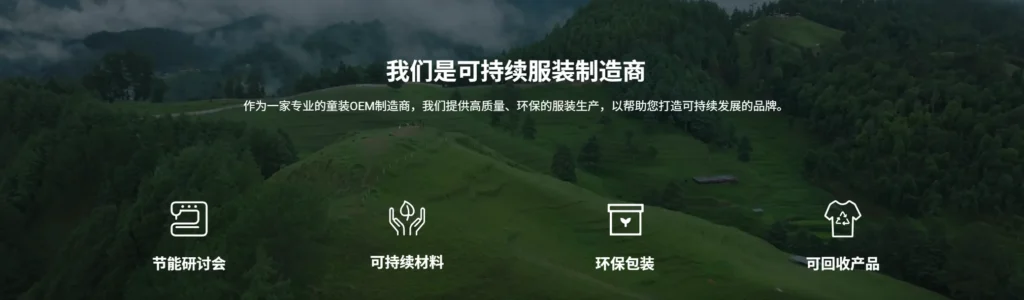
Organic, recycled and lower-impact requirements are evaluated against the exact material and destination requirements. A category name or badge alone does not define the performance, certification scope or validity of a finished garment.
Confirm the proposed composition, weight, hand feel, stretch and intended use.
Share the market requirement and any testing or documentation required for the project.
Review labels, polybags, cartons and other packaging as part of the same confirmed specification.