
Content
[Layout sample] Organising a Garment Sample Review
Preview editorial sample. This article is placeholder content for reviewing the blog layout. It is not a customer story or a commercial commitment.
Reviewing a garment sample is easier when observations are recorded in one place. A photograph alone may show a concern without explaining the expected correction. This example describes a practical way to organise comments so that the next discussion can focus on specific details.
Identify what you are reviewing
Record the style name, sample version, size, and review date before adding comments. Keep the sample connected to its accompanying specification. Where the reference is incomplete, note the missing information instead of treating an assumption as an approved requirement.
Review by topic
- Fit and measurements: record the measurement point, unit, and observed value.
- Fabric and feel: describe the visible or tactile difference you want to discuss.
- Construction: point to the seam, opening, cuff, or fastening concerned.
- Decoration: identify artwork position, scale, colour, or embroidery detail.
- Branding: check the requested label and packaging information against the brief.
Separate appearance preferences from measurements. “The sleeve feels short” and a measured sleeve length communicate different information; including both can make the comment easier to interpret. Avoid using one broad approval to cover details that have not yet been checked.
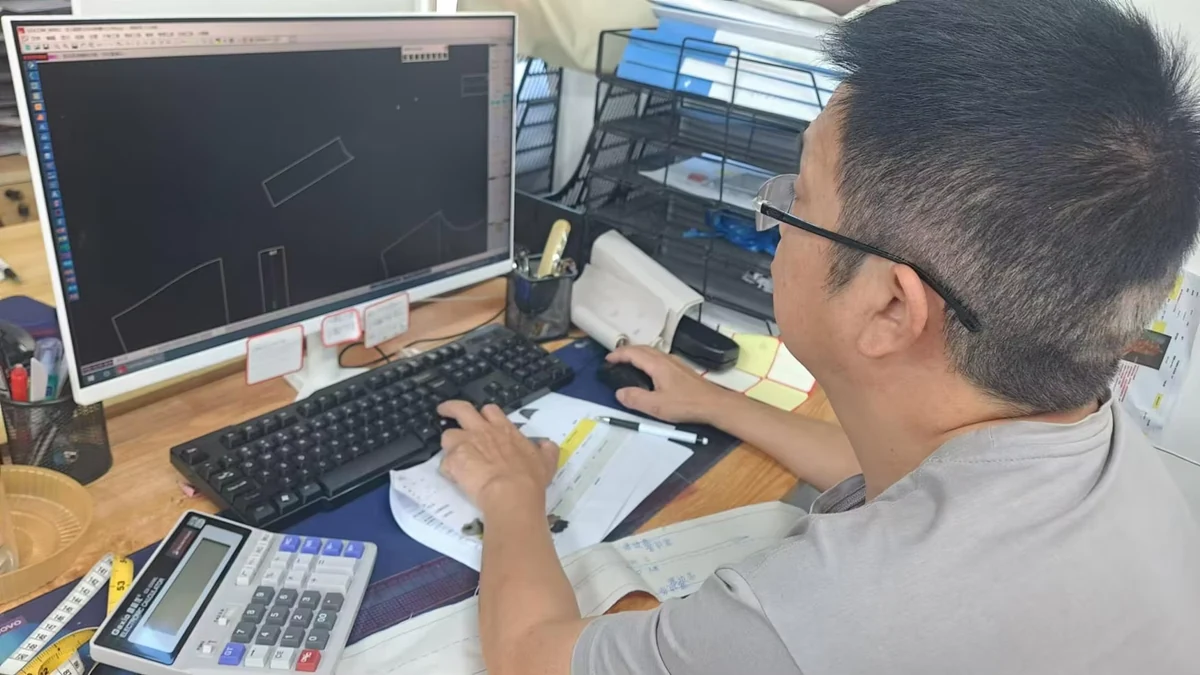
Turn observations into a review list
- Photograph the whole garment to establish context.
- Add a close view of each detail being discussed.
- Write one observation and one requested clarification or correction per item.
- Group the comments into accepted details, requested changes, and open questions.
“Please review this detail” is easier to act on when the detail, reference, and expected outcome are shown together.
Confirm the next reference
After discussing the list, retain the original observations alongside the agreed response. Where a change is accepted, connect it to the next specification or sample version. This keeps a later reviewer from having to reconstruct decisions from separate messages.
A sample review is not, by itself, a statement about testing, certification, production release, price, or delivery. Those topics require their own project-specific discussion. The quality control information and production process overview provide related reading; they do not replace an agreed specification.